Home Cladding Installation in Boston, MA
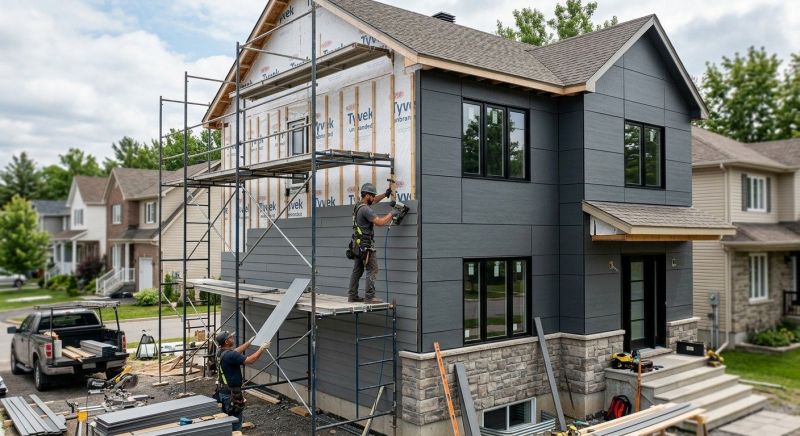
Home cladding installation services involve applying protective and decorative materials to the exterior walls of a property. This process is commonly used in projects such as updating the appearance of a home, improving insulation, or replacing damaged siding. Property owners often seek cladding installation when constructing new buildings or renovating existing structures, aiming to enhance curb appeal and protect the underlying walls from weather elements.
Before requesting home cladding installation, property owners typically want to understand the different types of cladding materials available, such as vinyl, wood, fiber cement, or metal, along with their respective benefits and maintenance requirements. It is also important to consider the scope of the project, including the size of the property, the condition of existing siding, and any specific aesthetic preferences or building codes that may influence material selection and installation methods.
Many property owners in Boston, MA look into Home Cladding Installation for repairs, replacements, upgrades, and appearance-related improvements.
Enhance Exterior Durability
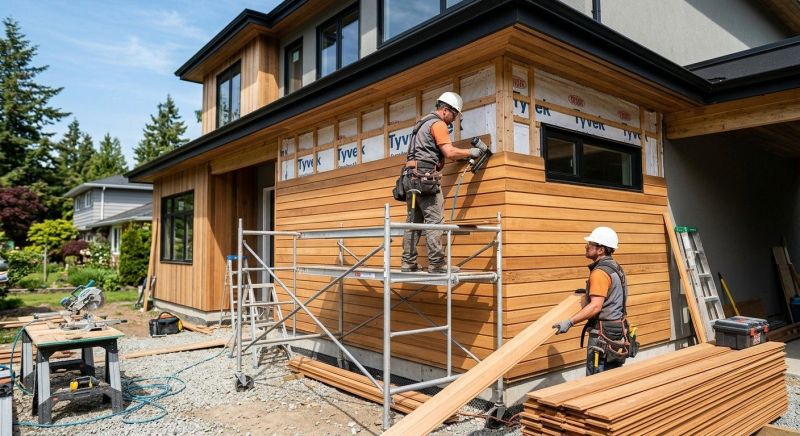
Home cladding helps protect your property from weather elements and structural wear.
Improve Curb Appeal
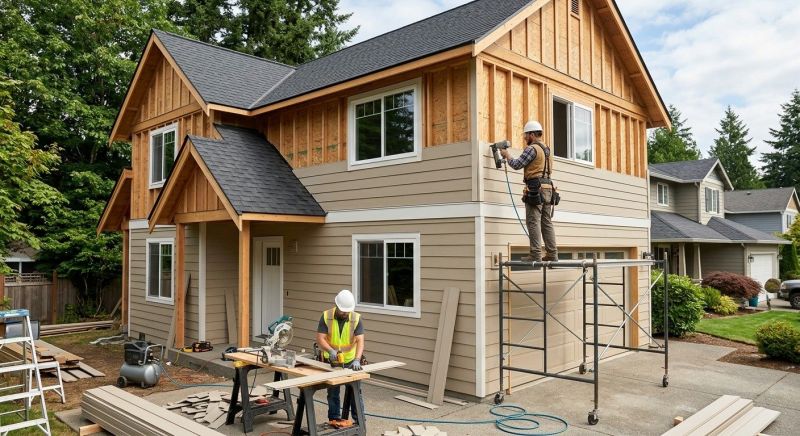
Cladding options can update the look of homes and increase overall attractiveness.
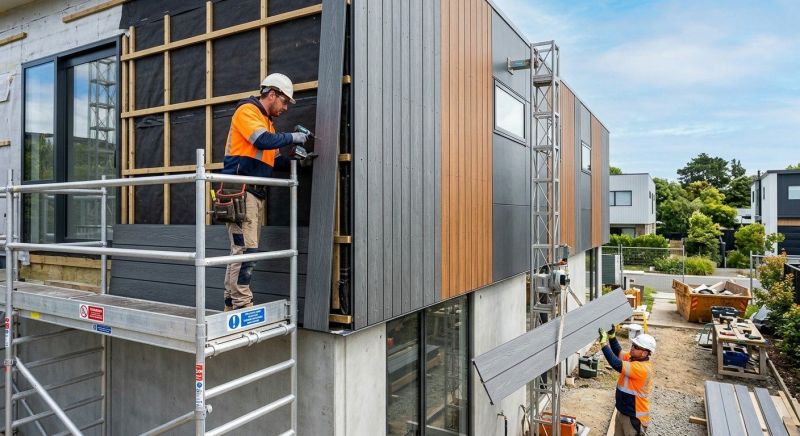
Increase Property Value
Professional cladding installation can boost the market value of residential and commercial properties in boston and nearby areas.
Home Cladding Installation in Boston, MA

Home cladding installation services involve applying protective and decorative materials to the exterior walls of a property. This process is commonly used in projects such as updating the appearance of a home, improving insulation, or replacing damaged siding. Property owners often seek cladding installation when constructing new buildings or renovating existing structures, aiming to enhance curb appeal and protect the underlying walls from weather elements.
Before requesting home cladding installation, property owners typically want to understand the different types of cladding materials available, such as vinyl, wood, fiber cement, or metal, along with their respective benefits and maintenance requirements. It is also important to consider the scope of the project, including the size of the property, the condition of existing siding, and any specific aesthetic preferences or building codes that may influence material selection and installation methods.
Many property owners in Boston, MA look into Home Cladding Installation for repairs, replacements, upgrades, and appearance-related improvements.
Common Home Cladding Installation Jobs
Home Cladding Installation - enhances the exterior appearance and provides weather protection for residential properties.
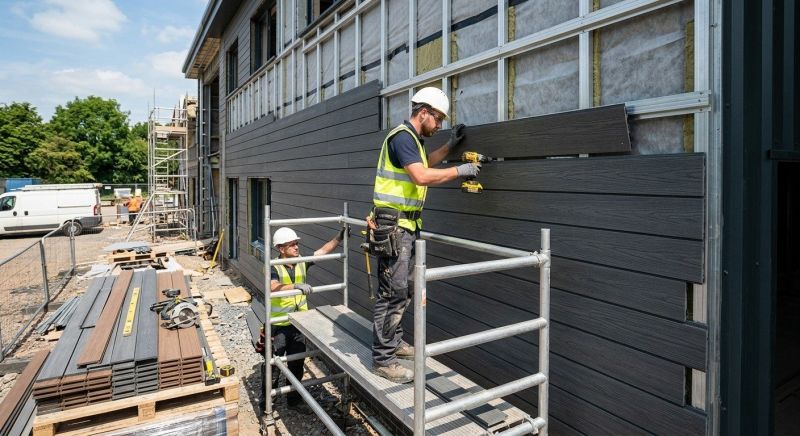
Vinyl Cladding - offers a durable, low-maintenance option that resists moisture and fading.
Fiber Cement Cladding - provides a sturdy, fire-resistant exterior suitable for various architectural styles.
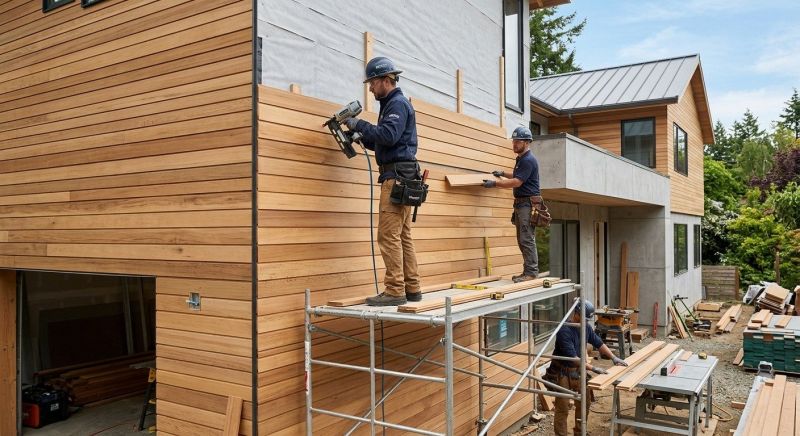
Wood Cladding - adds natural beauty and character to homes with customizable finishes.
Metal Cladding - delivers a sleek, modern look while offering long-lasting weather resistance.
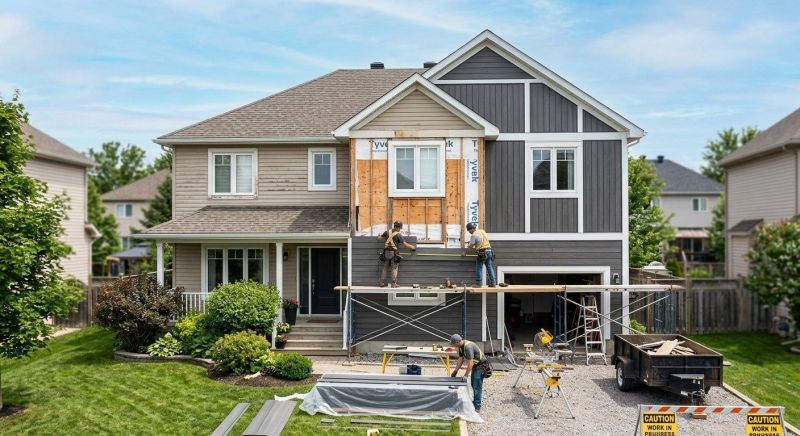
Cladding Replacement - updates worn or damaged exterior surfaces to improve curb appeal and protection.
Home Cladding Installation Questions
What types of materials are used for home cladding? Common options include vinyl, wood, fiber cement, and metal, each offering different aesthetic and durability benefits.
Can home cladding improve energy efficiency? Yes, properly installed cladding can help insulate a property and reduce energy costs.
Is home cladding suitable for historic or period homes? Yes, there are cladding options that can complement and preserve the character of older properties.
What projects typically involve home cladding installation? Cladding is often used for exterior wall upgrades, weatherproofing, and enhancing curb appeal on residential properties.
Request Home Cladding Installation in Boston, MA
Use the quote form on this page to share the basics of your project and request more information for the type of work you need.